Canon RF 24-105mm f/2.8 L IS USM Z Review for Travel and People Photography
You know me — I don't often write about photography gear. But after spending two years shooting commercial and travel photography with this lens, I wanted to share some thoughts, in case you're considering it for your own work. Since I'm a travel photographer focused on people photography, that's the angle I'll take with this review.
I bought this lens about two years ago for my commercial photography and video work. I wanted something that let me shoot a wide variety of subjects without constantly swapping lenses — I'm usually a prime-lens shooter, so this was already a departure for me.
I also wanted a lens that doesn't shift its centre of gravity when zooming in or out, so I could use it on a gimbal for commercial video without having to rebalance the whole rig every time I adjusted the focal length. This lens has an internal zoom system, meaning it doesn't physically extend as you zoom — exactly what I was after.
But how does it actually perform for travel photography? Is this a lens you'd want to carry around while photographing people on the road?
Canon RF 24-105mm f/2.8 L IS USM Z: What I Don't Like About This Lens
I'm French, so naturally, I'll start by complaining. Let's get into what I think are the real disadvantages of this lens for travel photography.
Size and Weight
Honestly, the first time I took this lens out on a photo tour in Hoi An, I hated it. I'm used to shooting travel photography with my Fuji XT3 or my Canon R5 paired with a fixed 35mm lens. This lens, by comparison, is a monster — huge and heavy. I brought it along to Indonesia, Cambodia and Bangladesh, and more often than not, I regretted it. It's just enormous.
It Makes You Look Like "A Photographer"
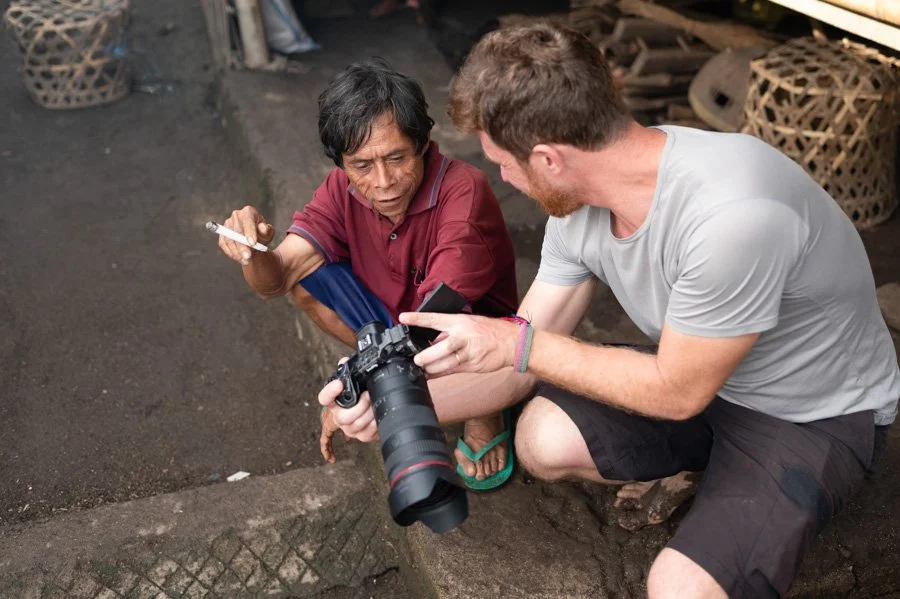
I noticed almost immediately how differently local people looked at me when I walked into an area carrying this lens. I clearly read as "a photographer" rather than just a tourist — which is exactly what I try to avoid. I rely on interacting with people and showing genuine interest in what they're doing to make them forget about the camera altogether. This lens makes that so much harder. It's impossible not to be catalogued as a photographer when you're carrying it.

That Lens Is Heavy
At 1.3kg, you'll absolutely feel this lens in your arms and shoulders by the end of a full day of shooting. Even just having it sitting in my camera bag is enough to make my shoulder ache.
Less Shallow Depth of Field Than I'm Used To
The wide focal range combined with a constant f/2.8 aperture is genuinely impressive, but I do miss the shallower depth of field I used to get shooting with prime lenses at f/2.0 or wider. I sometimes wish I had bought the Canon RF 28-70 f2.0 in order to enjoy a shallower depth of field. I see my friend Brice is having a great time with it.




Two Hands Required
I love shooting one-handed, something my Fuji XT3 makes easy. This lens forces you into a two-handed grip just to support its weight, which isn't ideal if you're trying to stay inconspicuous as a photographer.
You Are Going to Stand Out
This lens draws attention — from everyone, including other photographers. On more than one occasion, photographers on the street stopped me just to ask about it. If discretion is part of your approach to travel and street photography, this lens works against you.
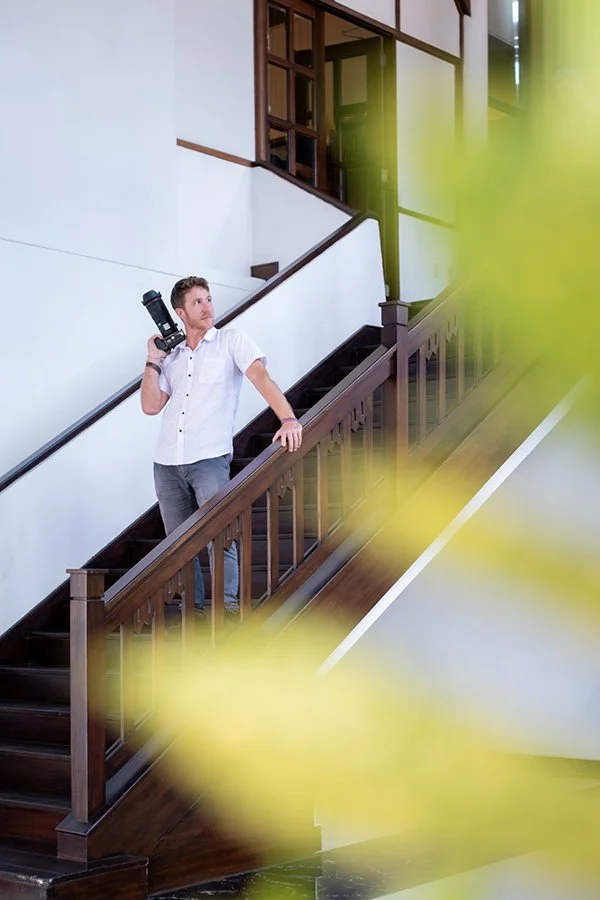
The good thing about it, though, is that you are going to be able to pose and look like a pro photographer!
The Aperture Ring Is Hard to Reach
I love using a lens's aperture ring to change settings quickly, and I do it often — shooting a scene at f/8.0 one moment, then needing f/2.8 the next. But because of how long this lens is, I regularly struggled to reach the ring in time. I wish Canon had placed it closer to the middle of the lens rather than right at the far end, near the lens cap.
Canon RF 24-105mm f/2.8 L IS USM Z: What I Love About This Lens
The Autofocus
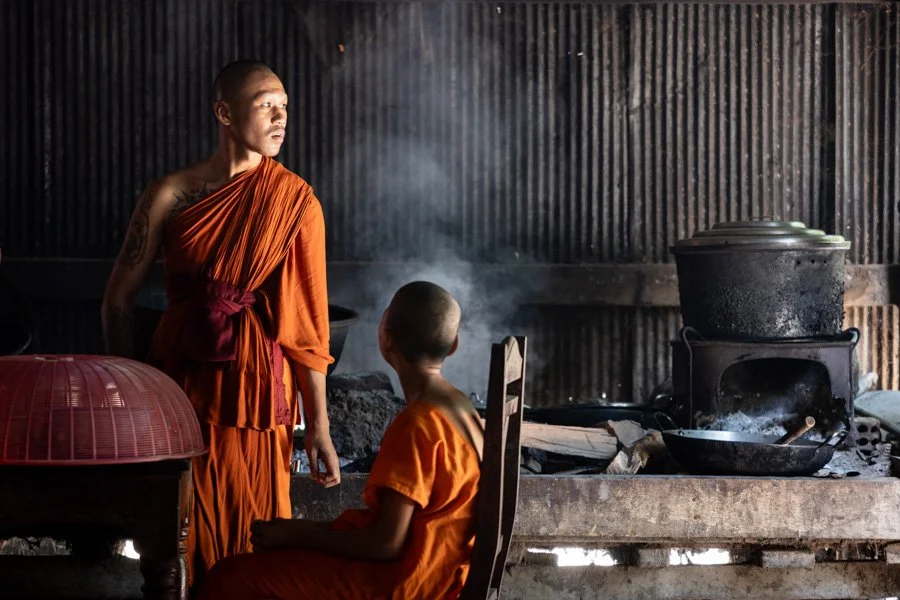
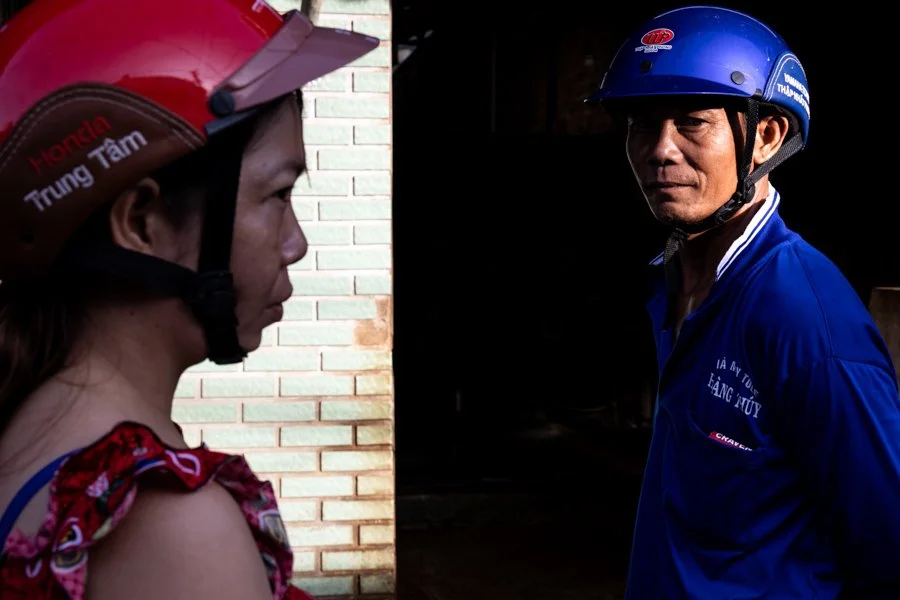
What I love most about this lens is how well it performs paired with my Canon R5. The eye and face detection is a genuine game-changer for people photography — I can lock focus on exactly who I want, exactly when I want, almost instantly.
This is something I deeply miss whenever I shoot with my Fujifilm system these days — a truly excellent autofocus system. The combination of the Canon R5 and this lens, with eye detection running, lets me shoot fast-moving subjects while keeping every frame tack sharp.
On my last photo tour to Sri Lanka, I decided to travel with only my Fuji XT3. I loved having a smaller camera in my hands again, but I genuinely missed the autofocus performance of the 24-105mm on the R5.


The Wide Focal Range
Going from 24mm — which has recently become one of my favourite focal lengths for street photography — all the way to 105mm for portraits is a fantastic range to have in one lens. Coming from someone who has almost never shot with a zoom before, that versatility alone is worth noting. Yes, this lens zooms, and it turns out that's genuinely useful sometimes.
Image Stabilization
The in-lens stabilization holds up well even at slower shutter speeds, giving you more flexibility in lower light without immediately reaching for a higher ISO.
The Near-Parfocal Behaviour
One thing I really appreciated while shooting with this lens is how close it comes to being truly parfocal. With most other zoom lenses, you have to refocus every time you zoom in or out. With this one, I could simply adjust the focal length and keep shooting — about 90% of the time, focus stayed right where it needed to be on my subject.
Sharpness
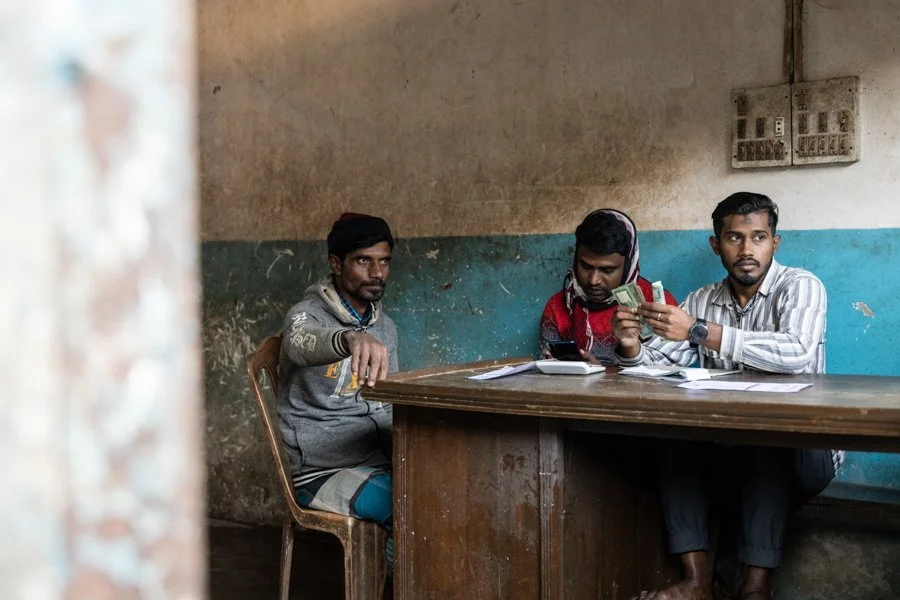
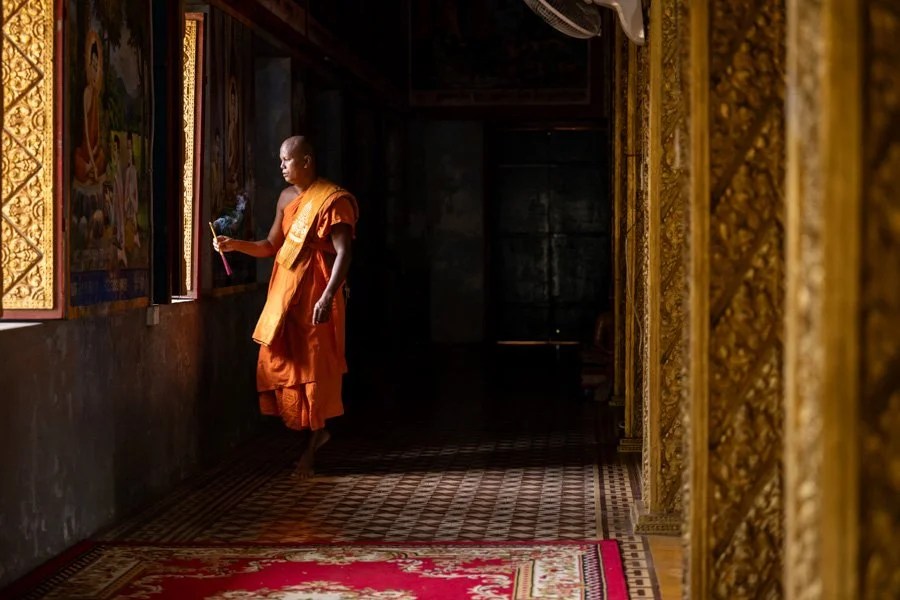
I'm sure someone out there has done an extremely detailed, pixel-level sharpness test on this lens. I'm not going to be that person, because I don't think it's relevant to the kind of photography I'm talking about here. This lens costs around $3000. Of course it's sharp — at that price, it would be a scandal if it weren't.
I also find a lot of online lens reviews a little ridiculous — people posting two images side by side, claiming one is sharper than the other, when you'd need to zoom in 400% to even notice a difference. My travel images end up on my website or on social media, and for that, this lens is more than sharp enough, I promise you.
I no longer own a photo printer, so I haven't been able to run proper print tests with this lens. But when editing my commercial work and zooming into my files, I've never once noticed a sharpness issue, at any aperture I've used.



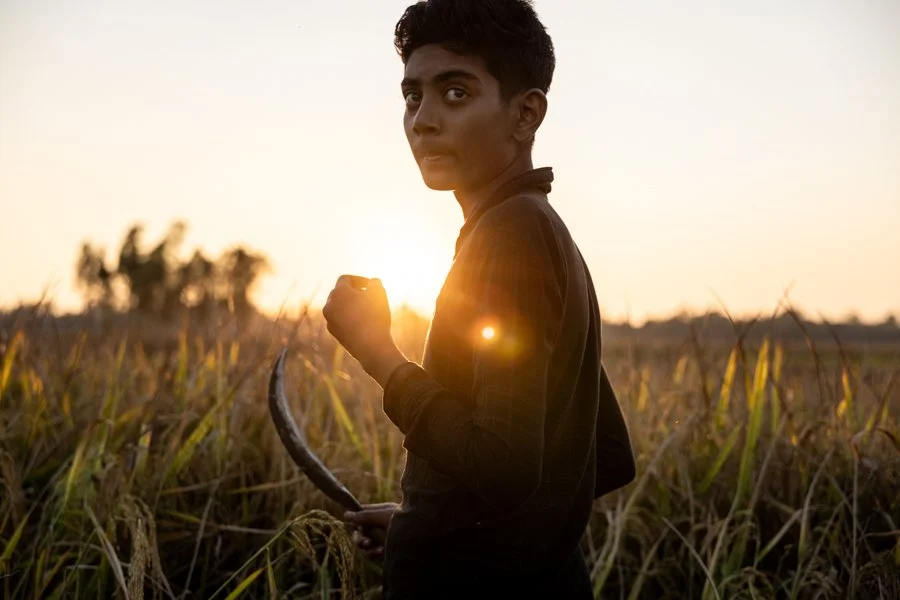
Is This Lens Right for You?
I genuinely love this lens for commercial work. Having a single zoom that covers 24mm to 105mm makes it easy to adapt to a constantly changing scene — and since I shoot a lot of lifestyle photography for hotels and resorts, that flexibility matters a lot. But that's commercial work, where you often get to rest the camera on a table or tripod between shots.
If you're a travel photographer, though, I wouldn't recommend it. I'd point you toward a small mirrorless body paired with a small fixed lens instead. If you're into people photography in Asia the way I am, a smaller camera setup will make it far easier to approach people and put everyone around you at ease. Walking the streets with a big Canon body and this massive lens announces "photographer" to everyone around you — and that can change how people approach you, or how you're able to approach them.
It's a great lens, no question. But in my opinion, it's not worth the effort of lugging it around for travel photography. If you spend your days the way I do — camera in hand, walking for hours — you'll feel the weight of this lens fast, along with the way it changes how people look at you in the street.