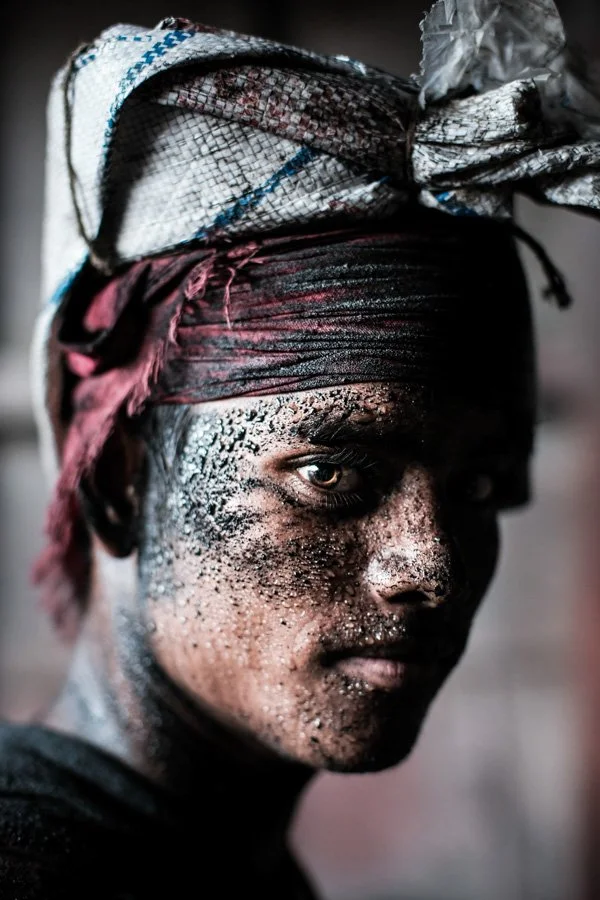
Creative Portraits: A Different Approach to Travel Photography in Asia
I created a video version of this photography tutorial, also available on my YouTube channel. This article, though, goes much more in-depth.
When it comes to travel photography in Asia, portraiture is the go-to approach for a lot of photographers. So much so that the market is now saturated with close-up portraits coming out of this part of the world. Over the past 20 years running my photography tours in Asia, I've met countless people who came here with the idea of taking portraits — simply because it's actually possible to get that close in Asia. People here are approachable, and it's easier to build the kind of connection that lets you shoot up close. So much so that these days, I find myself gently discouraging people from making portraits their only goal. Of course you can and should take portraits, but I think it holds a photographer back to walk around with an 85mm or 70-200mm lens with portraits as the only target. I've seen it happen many times over the years, myself included: it tends to lead to average, repetitive images. I want to explain why in this tutorial.
Here you won't find the usual portrait composition techniques you can find all over the internet — the rule of thirds, the golden ratio, and so on. I'm sure you've come across these before. What I want to share instead is the approach I've developed over the years to make my close-up portraits more original and creative. It's not just about technique — it's also a general approach, physical and ethical, that can help any photographer take better portraits while travelling in Asia.
I've split this tutorial into two parts: one about approach and philosophy, and one that's more technical — the tips and techniques I actually use for my portraits.
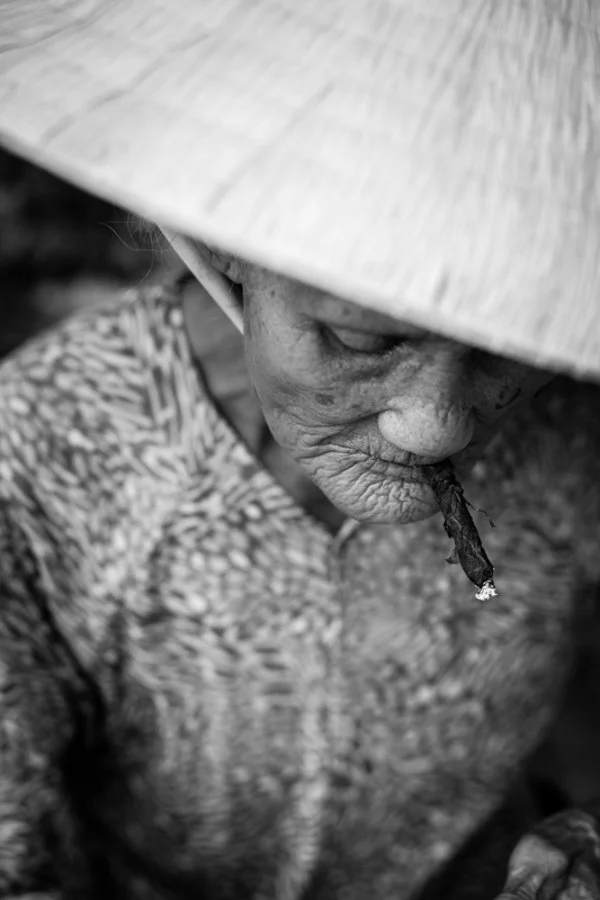
The Philosophy Behind Authentic and Creative Portraits
I'm writing about this first because, believe me, it will help you take better portraits, even though none of it is technical. In the end, photography isn't really about camera settings or technical details. There's a lot more that shapes a good image, and I'd argue that approach matters more than pure photography skills.
The Low-Hanging Fruit of Portraits in Asia
I'll be the first to admit I fell into this trap myself, so this isn't me pointing fingers — I went through this phase too.
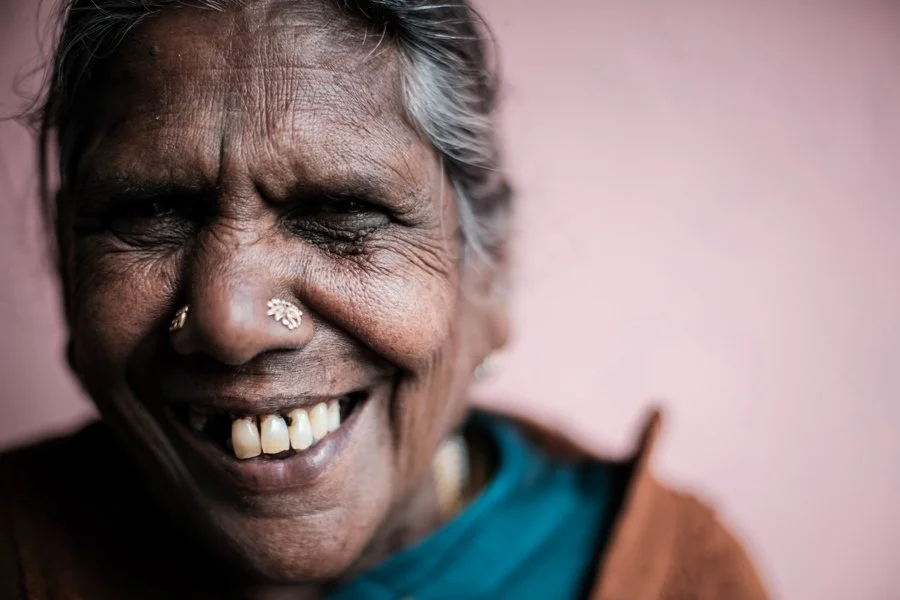
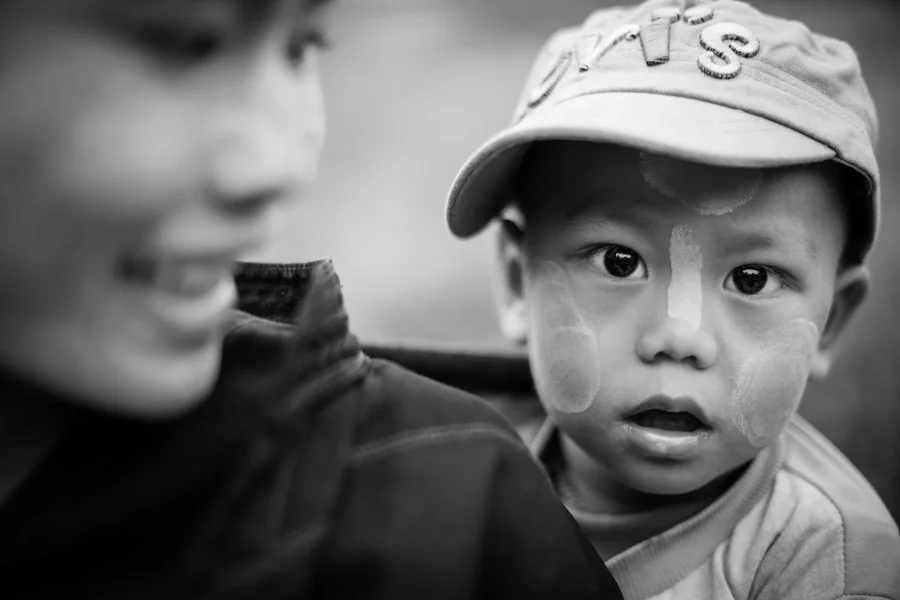
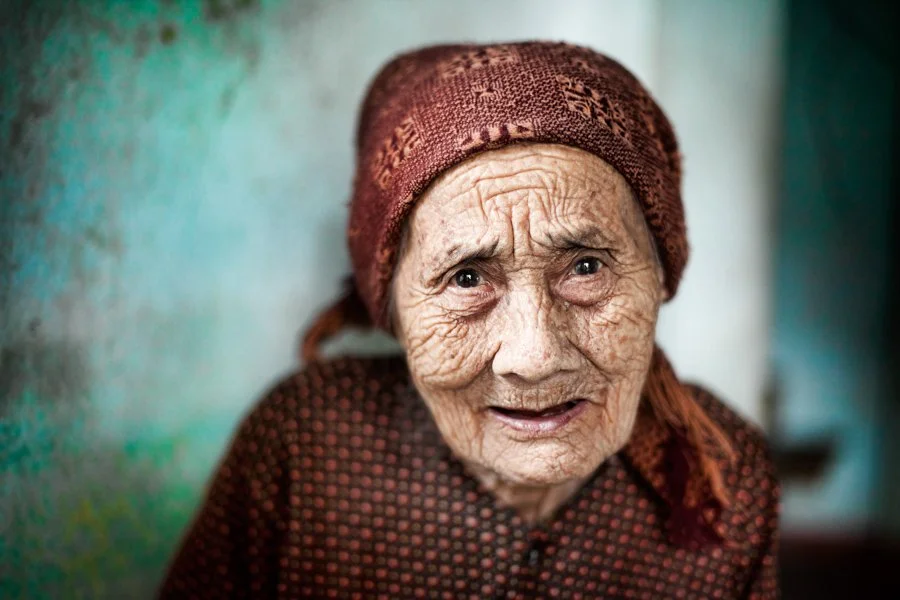
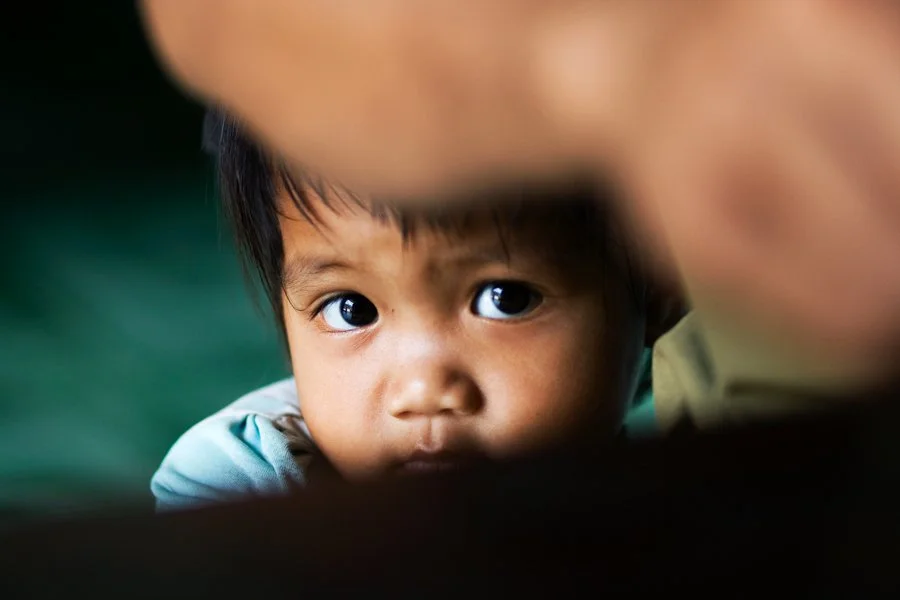
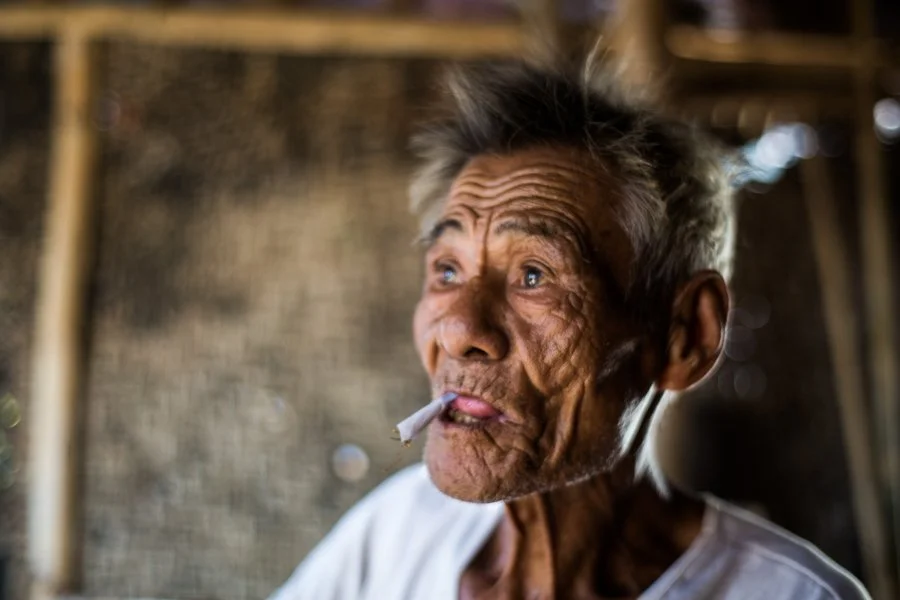
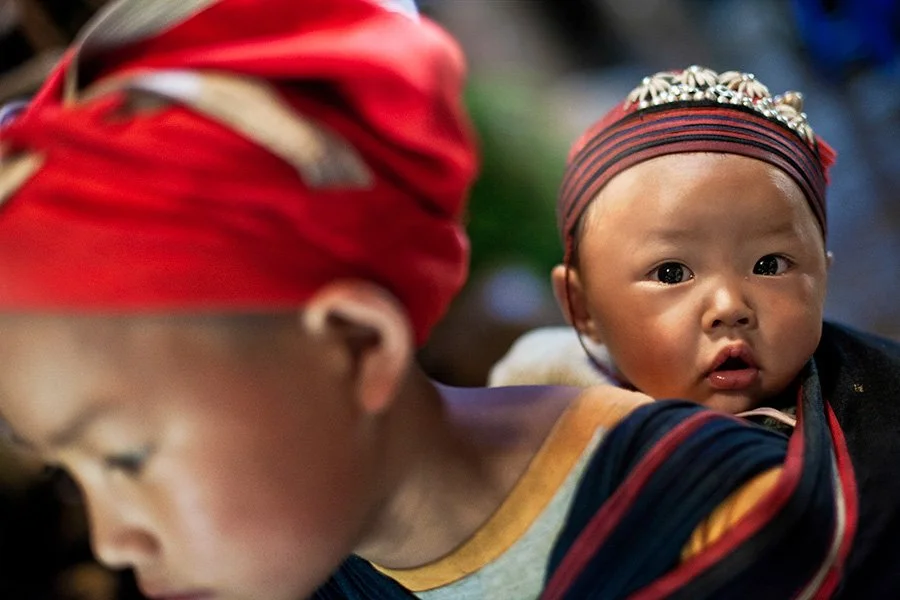
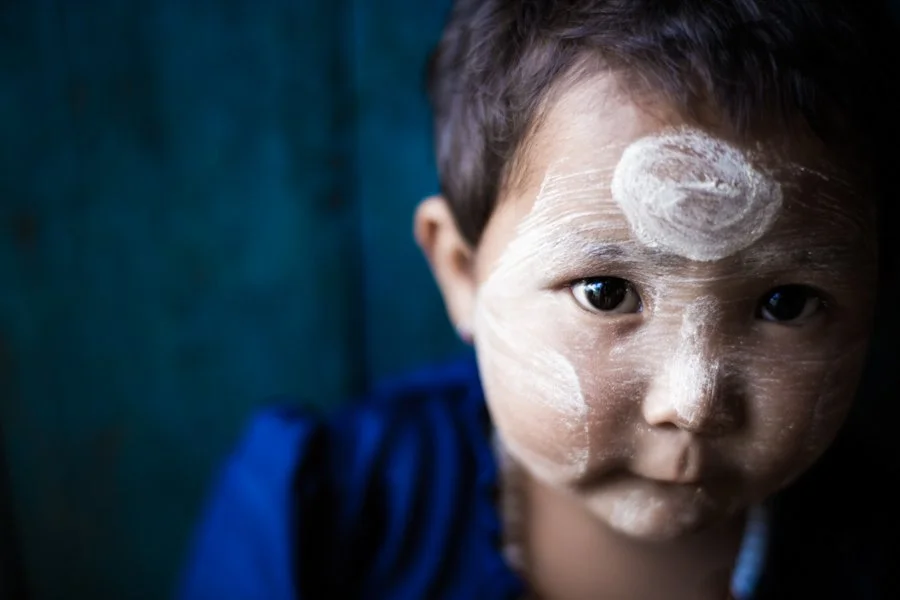
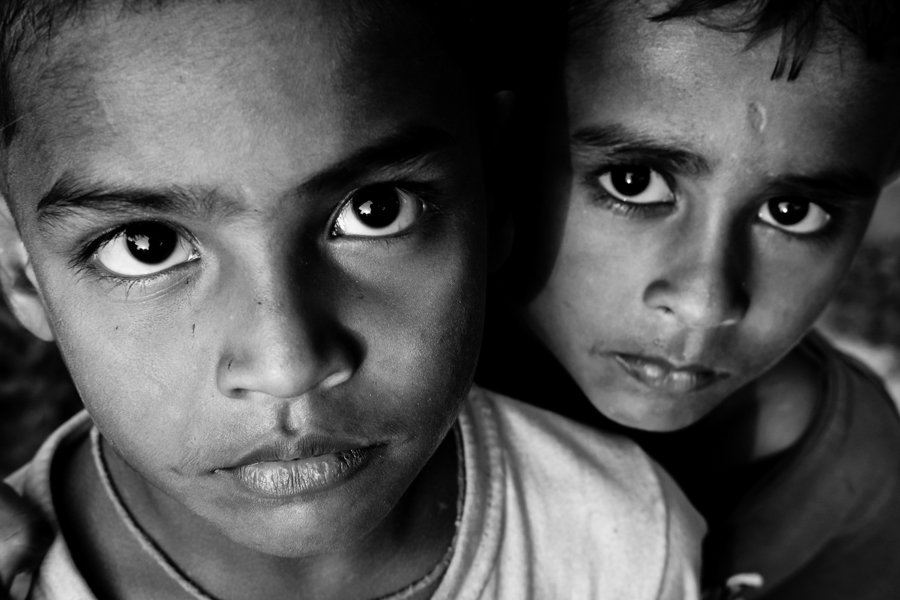
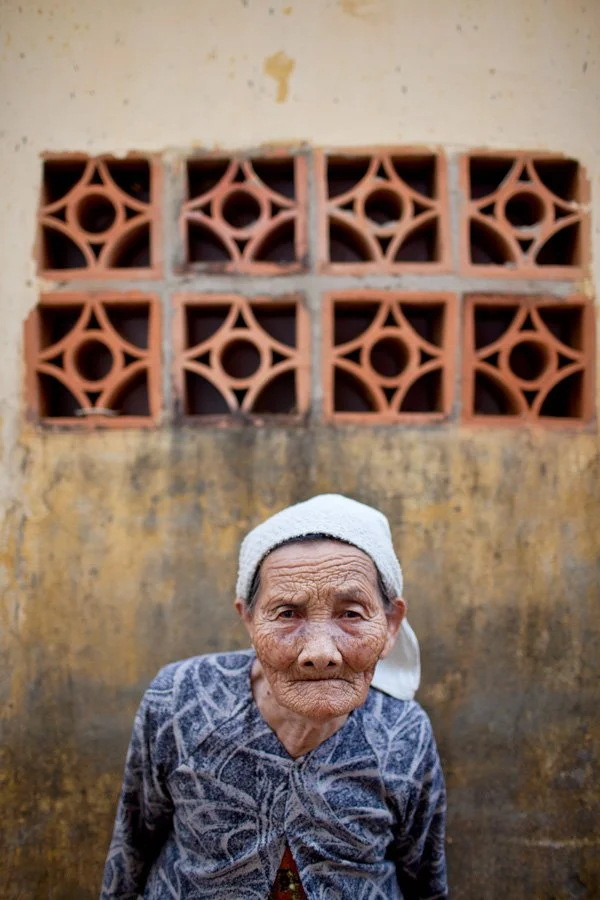
Taking countless photos of elderly people and cute children is an easy trap to fall into. I'm not saying you shouldn't photograph these subjects — I still do, plenty. What I'm saying is that it's worth being careful not to reach for them by default, every single time, without a second thought. Because eventually, all those images start to look the same. And yes, old people have "their stories written on their faces," children show "the innocence of the world" — all those romanticised captions you could slap on an image like that. I'd also steer away from top-down portraits of children — they tend to feel like something we've all seen before.
It's true that these subjects often make compelling ones. But does that alone mean you should photograph them the moment you spot them, without considering anything else that might make the image genuinely compelling? If you've spent time travelling in Southeast Asia, you've probably had people stop you in the street and ask you to photograph them. That doesn't automatically mean the resulting photo will be a great one.
It also tends to happen that, unless approached the right way (more on that shortly), these subjects will simply stare into the camera — a fairly predictable result. I call this the low-hanging fruit of travel photography, because it's often the first thing people reach for when they arrive in Asia, and it can keep them from exploring more creative directions. It's such an easy option that I've watched many photographers, myself included early on, lean on it constantly.
Avoid Posed Portraits as Much as You Can
This is something I've watched happen countless times — as a tourist myself, in my everyday life here in Vietnam, and while running photography tours. A photographer spots a subject, gets close (or not, depending on the lens), gestures to signal they'd like to take a photo, and the result is often a flat, static portrait of someone staring a little awkwardly into the lens. It's not impossible to get a great shot this way — if you apply everything else in this article — but the odds are slim. Most people aren't actors, and they'll either freeze up or offer a big smile with a peace sign. It's a familiar image, one most of us have taken or seen many times, and it's worth pushing past.
This is why I fell in love with candid photography built around genuine interaction with my subjects (with real ethical considerations, more on that below). When people aren't posing for me, I tend to come away with portraits that feel more alive — images that carry a real mood or emotion.
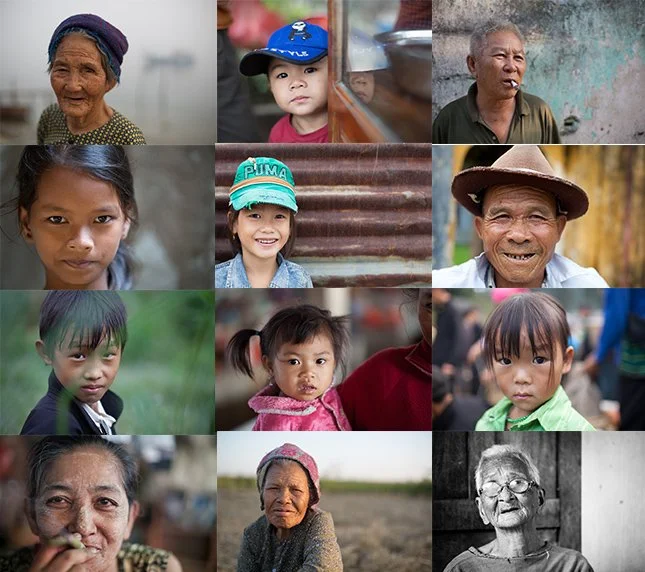
Posed portraits can quickly become repetitive
Find the Best Subjects
As a photographer, your job is to find the best subjects — young or old — rather than photographing anyone who happens to let you. You need good ingredients to cook a great meal, and you need strong subjects to make strong portraits. If you're busy photographing everyone you meet, you won't have the time or energy left to properly compose a great portrait when the right subject actually appears. It's simply a matter of where you spend your attention. Creative images take mental energy, and it's worth saving that energy for the best opportunities.
These days, I think of it as having a limited amount of "credit" to spend pointing my camera at someone. I try not to spend it carelessly, because I'll run out. This naturally pushes me toward photographing only the subjects that are genuinely worth it, and it also means I'm not disturbing more people than necessary. Yes, people in Southeast Asia are generally very accommodating and will let you take their photo. That doesn't mean they're thrilled about it — often, they're just being polite.
Be Ethical With Your Photography
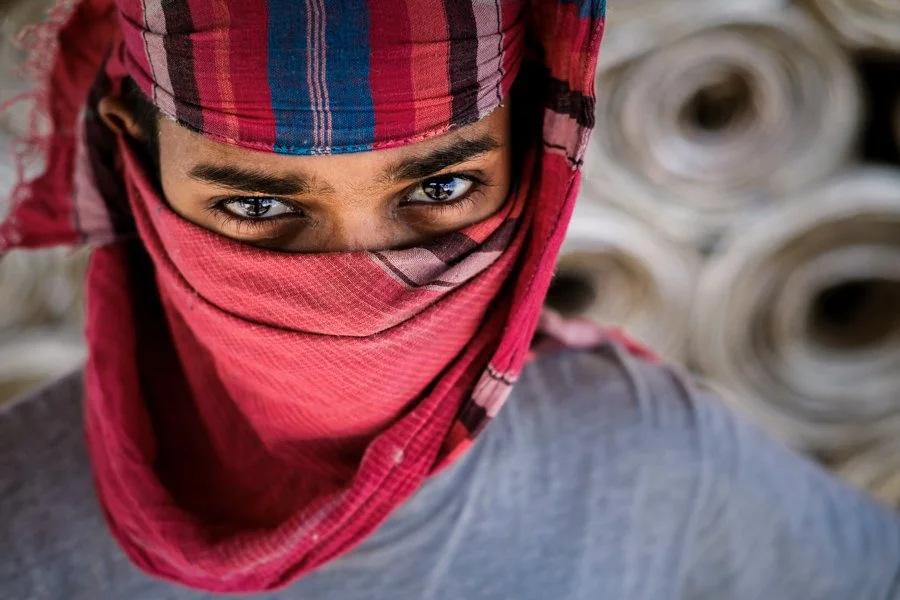
As I just mentioned, most people will let you take their portrait simply because they can see you want to, and they want to be accommodating. As the person holding the camera, the responsibility falls on you to decide whether the image is worth taking, and how much you're asking of someone's time and personal space in the process.
Don't linger too long. Don't shoot close-up portraits in burst mode (and honestly, why would you need to?). I often get emails asking which of my tours is best for portrait photography. After telling people "Bangladesh, of course," I always add that I can't guarantee anyone will come away with great portraits on any of my tours. Taking a good portrait depends on a delicate balance — finding a subject who's genuinely willing, and approaching and interacting with them in a way that leaves both of you feeling good about the exchange. That depends as much on the photographer's behaviour as it does on the subject's patience and willingness.
Tips and Techniques for Taking Better Portraits
Now let's get into some more concrete techniques — ones I've developed over 20 years of photographing portraits across Asia. I spent my first ten years shooting mostly with a 50mm lens, a great focal length for portraits. These days, shooting mostly on a 35mm, I find myself drawn to more environmental portraits — a topic for a future tutorial.
The Best Light Only
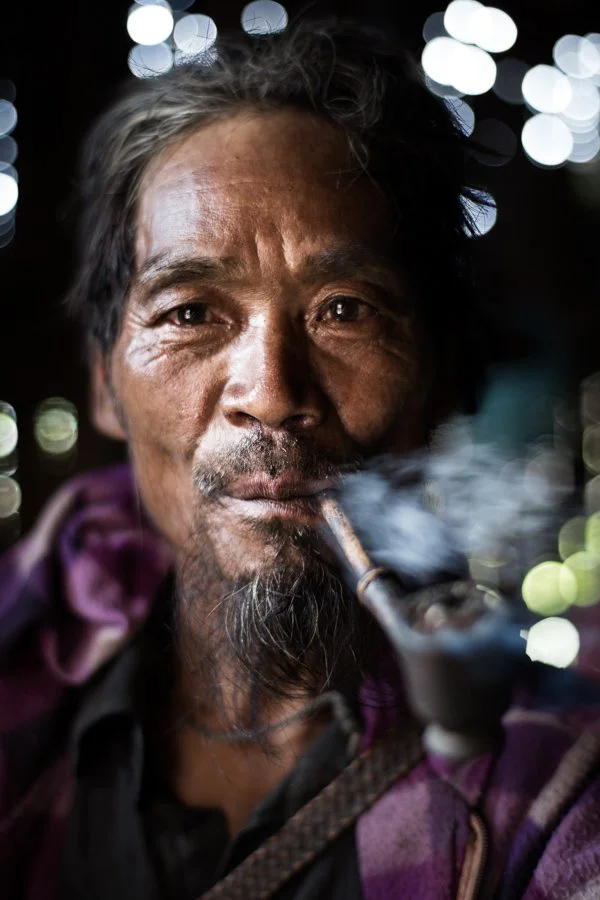
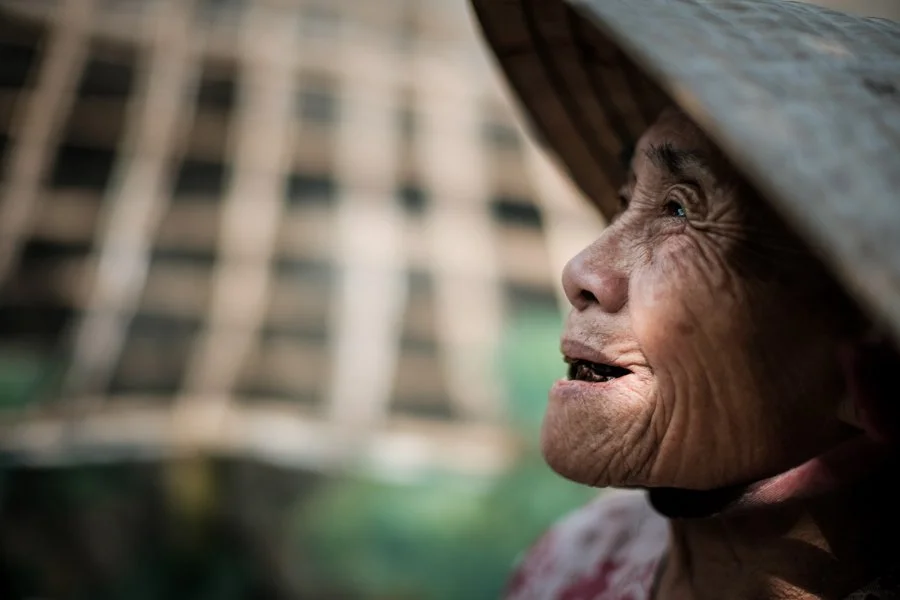
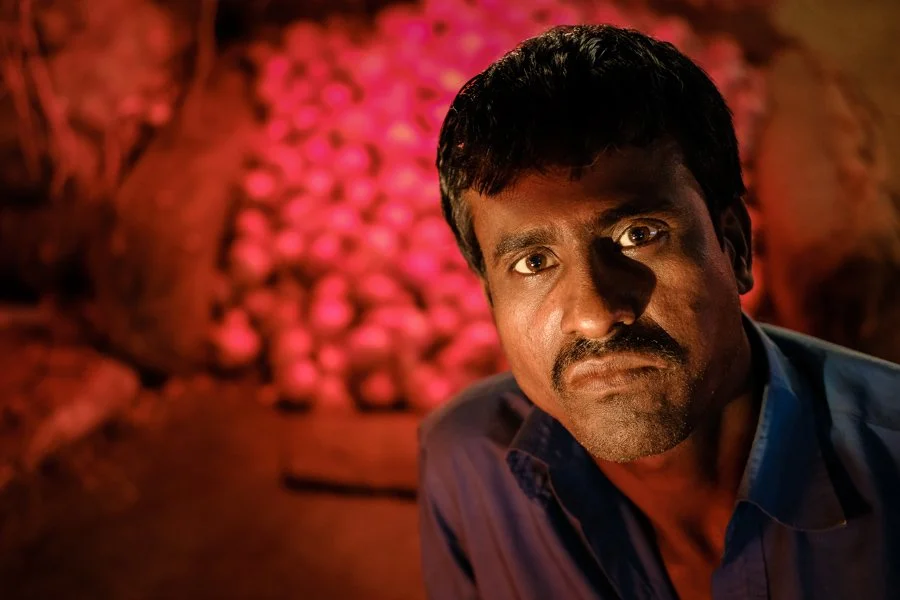
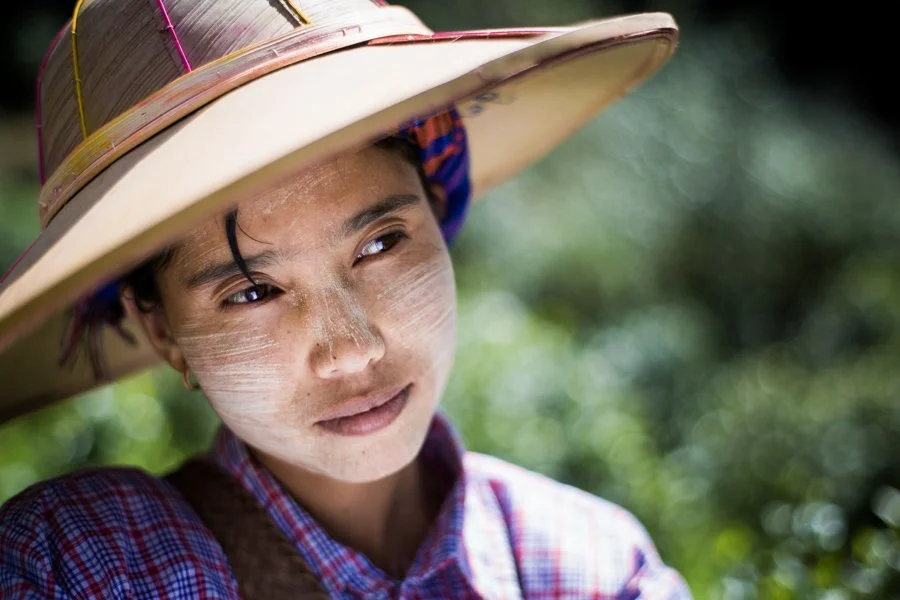
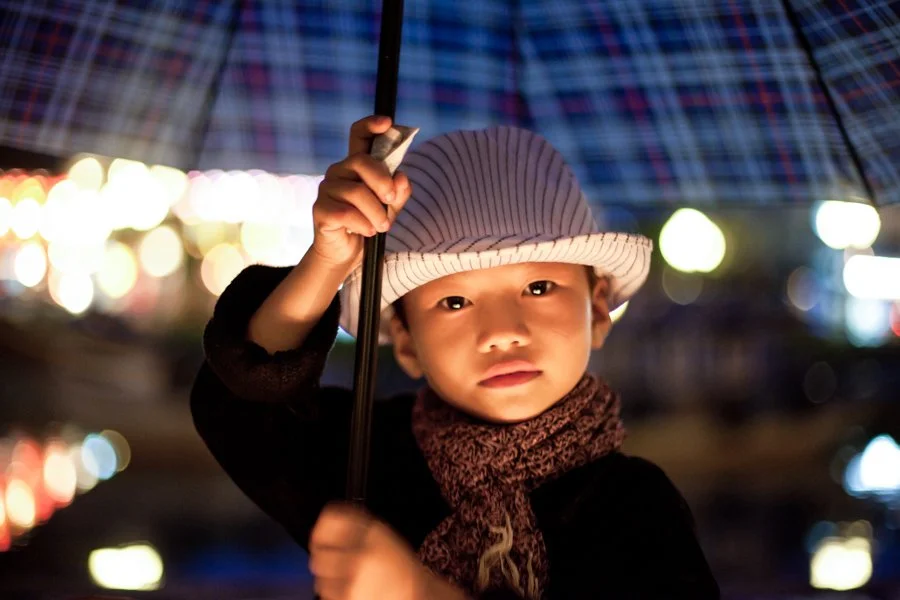
Nothing has changed on this front in 20 years. I still tell my students that for any kind of photography, you need to work with the best available light. This is probably the single most effective way to bring creativity and originality into your portrait work. Shooting for the light — and only the best light — forces you to see a scene differently, to approach it from a new angle, and to decide deliberately what to include or leave out of the frame. It's the first and most important creative tool any travel photographer has.
This becomes especially useful in busy locations, which tend to be the norm across Southeast Asia. Instead of scanning for a subject, you start scanning for light. That simplifies the whole scene — you're hunting for pockets of interesting light rather than getting overwhelmed by the hundreds of faces around you.
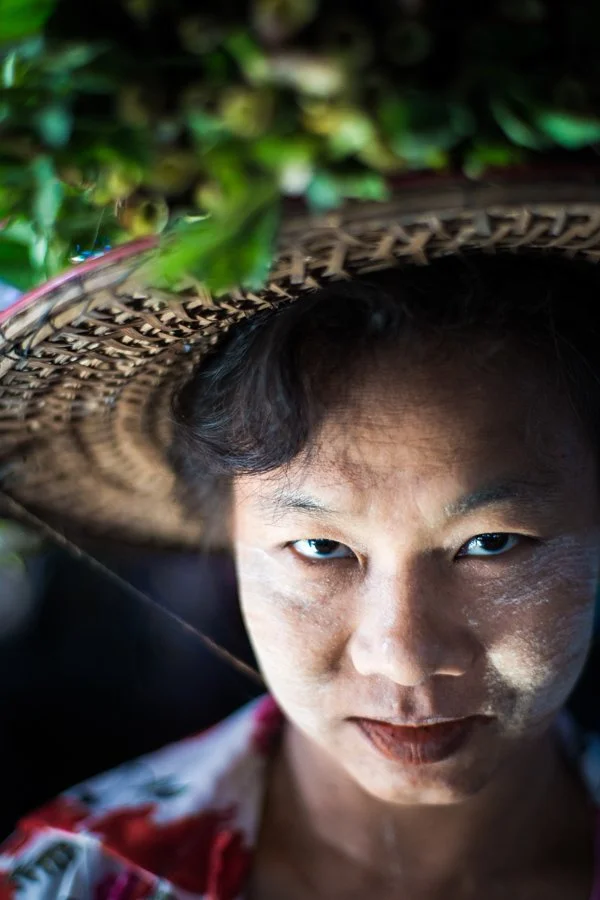
I also find that exposing for the highlights is a great way to isolate a subject and make a portrait stand out — which means finding the light first, then waiting for the right person to walk into it. It's a mix of hunting and fishing: patience, anticipation, and a fair bit of excitement when it comes together.
The light itself can also guide which part of your subject to photograph, pushing you toward a different composition than you'd otherwise default to.
Compose Using Your Background and Foreground
A striking background or foreground can push you to think outside the box. If including it means breaking the usual portrait "rules," break them — those rules exist to be broken, and it's worth experimenting to see what happens. A strong background or foreground can also shift your entire angle of approach: an interesting patch of ground, or a messy background you want to avoid, might have you shooting from above instead of straight on.
You can also get more creative with your framing by deliberately removing certain elements from the foreground or background. The trick is simply to try it — sometimes it won't work, but sometimes it opens up an unusual composition you wouldn't have found otherwise. This is one of the main ways I come up with new ideas for my portraits.
Get Close and Use Elements of Your Subject
As I often say, the simplest way to keep an image clean is to get closer. A macro lens is one of the best tools for that — its extremely shallow depth of field lets you isolate small elements of your subject and tell a different kind of story. Don't be afraid of wide apertures either; they simplify the frame and can clear away a messy background almost for free.
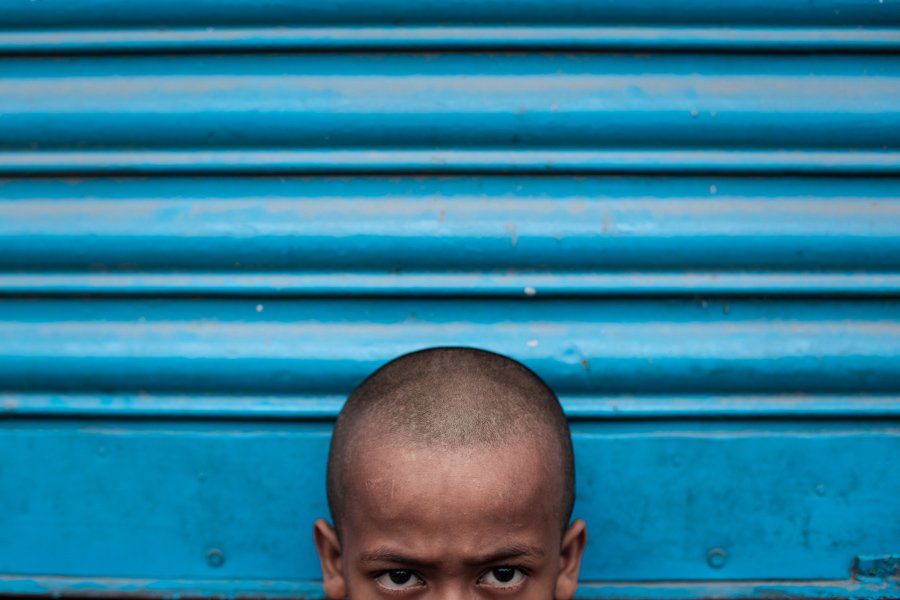
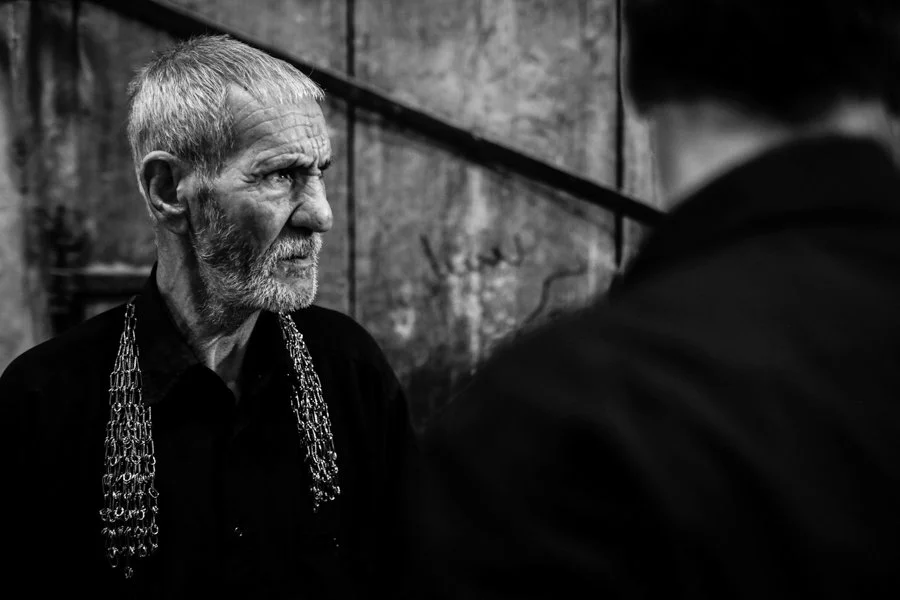
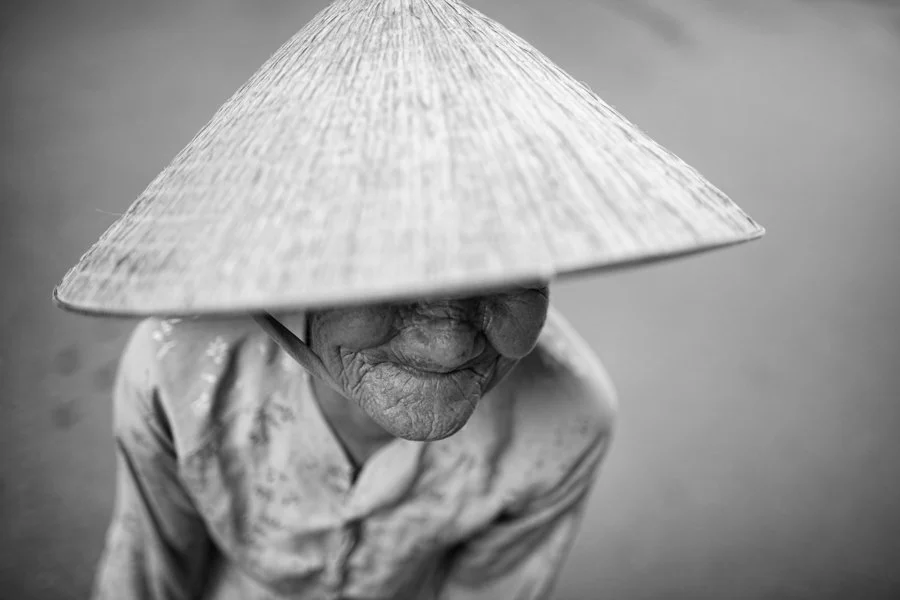
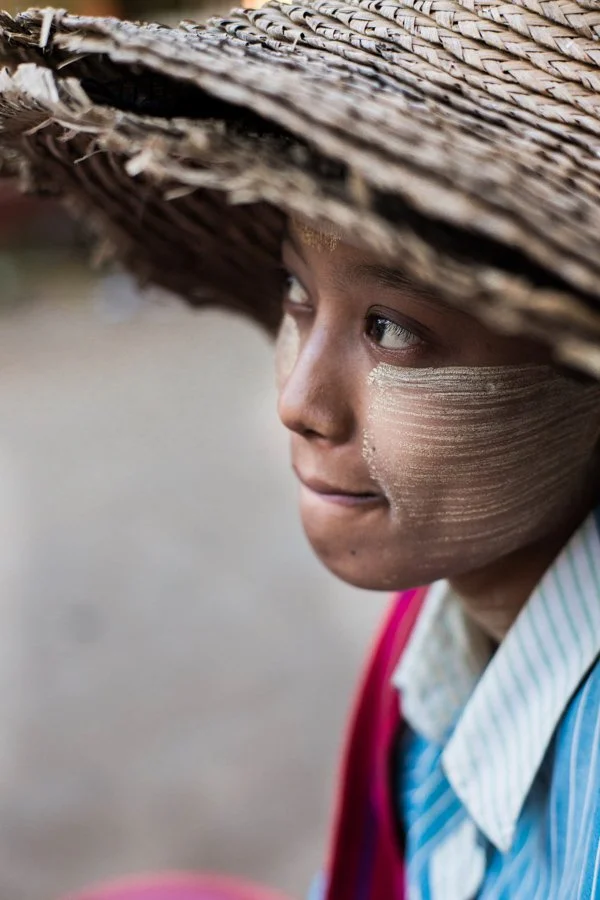
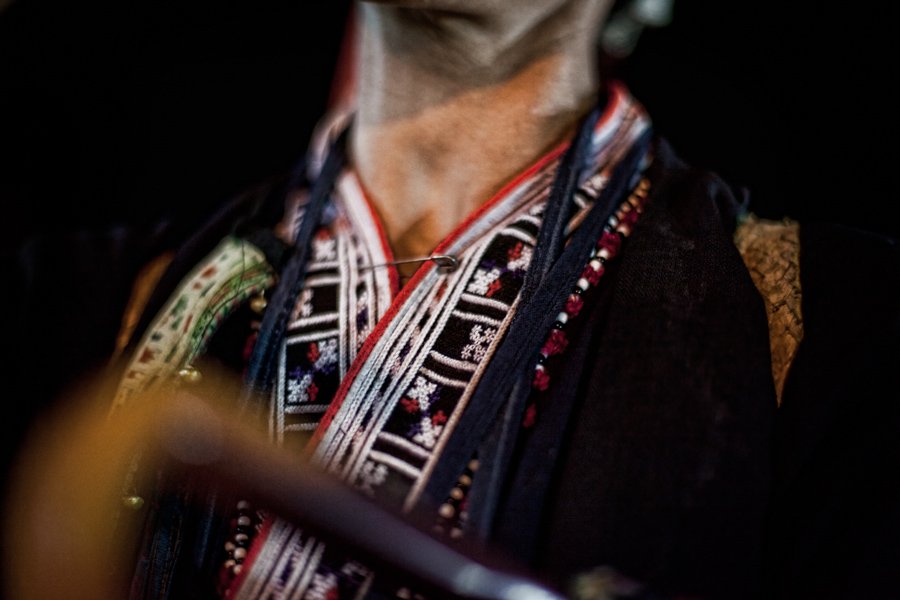
A hat, an earring, a necklace, the line of a neck — small details like these can lead you toward a completely different composition. Choosing to include or exclude them helps reinforce the story you're trying to tell.
Remember: show less to tell more.
These small elements can also change how you frame the shot. Placing one of them as the "main" subject instead of the face naturally leads to a different kind of framing. It's worth noting that portrait work tends to pull us in close to our subjects — I'd recommend anyone shooting people photography in the region drop the long lens and get closer. I shoot mostly with a 50mm, for more creativity and better results. Getting closer also means a shallower depth of field, especially with prime lenses, which helps isolate specific elements and tell a more focused story.
Looking for these small details and placing them intentionally — usually along the rule of thirds, to keep things balanced — tends to produce more striking, more original portraits.
A Portrait Doesn't Have to Include a Face
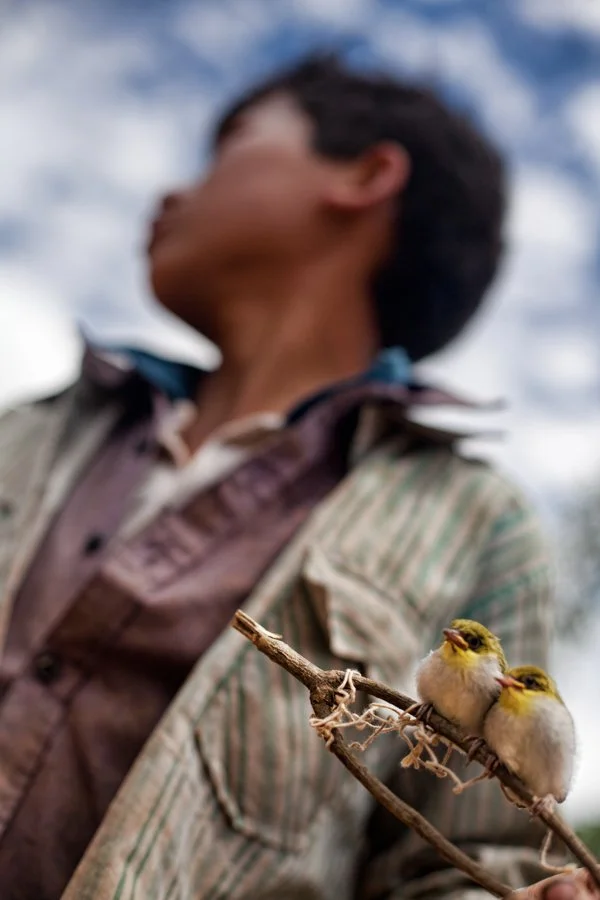
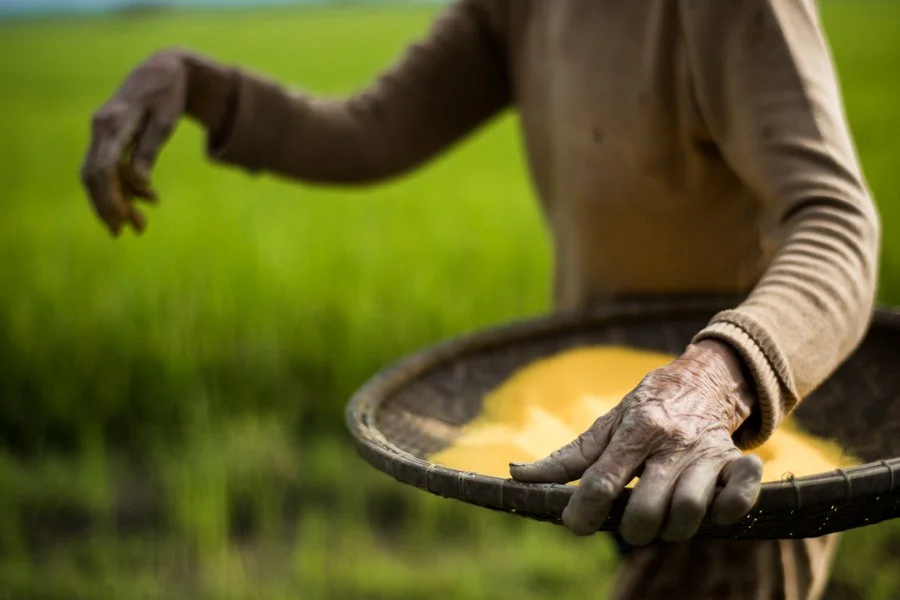
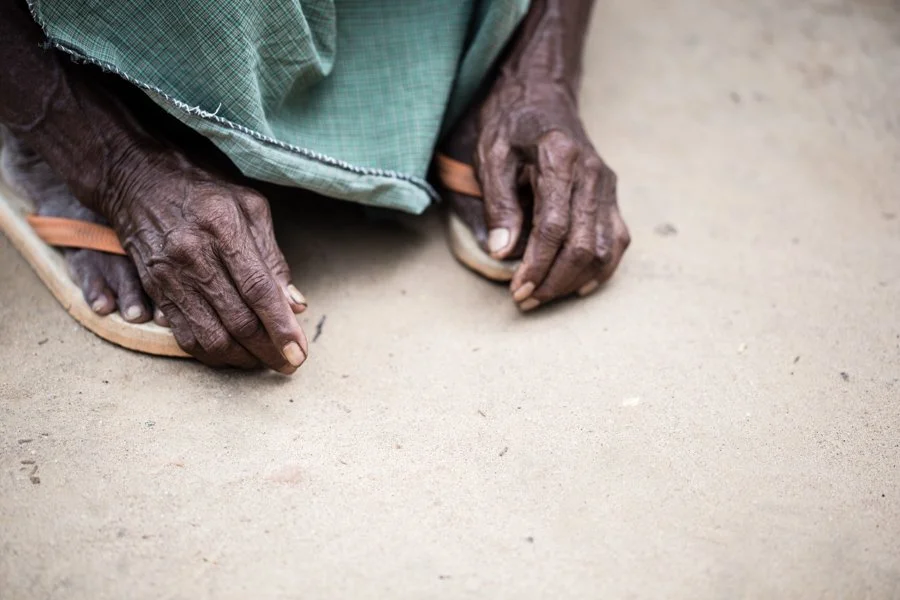
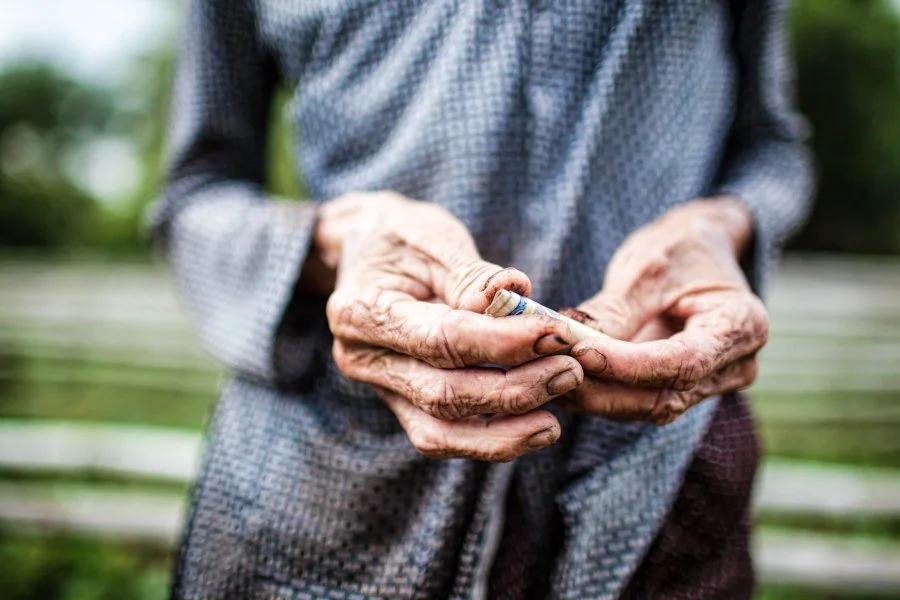
Telling a story through just part of your subject — hands, feet, a gesture — can be just as powerful, as long as that detail genuinely carries interest. I'd recommend building your composition around that point of interest. Sometimes that means removing the full face, or even the eyes, from the frame entirely and letting that other element carry the image. It's another good way to find original compositions and fresh ideas.
Use Colour
This isn't a new idea, but colour can play a big role in a portrait. What I like to do is find two complementary colours and try to fill as much of the frame with them as possible. In the same way I'd compose using foreground and background, building a frame around colour forces me to shift my angle and remove distracting elements — which tends to lead to more original compositions.
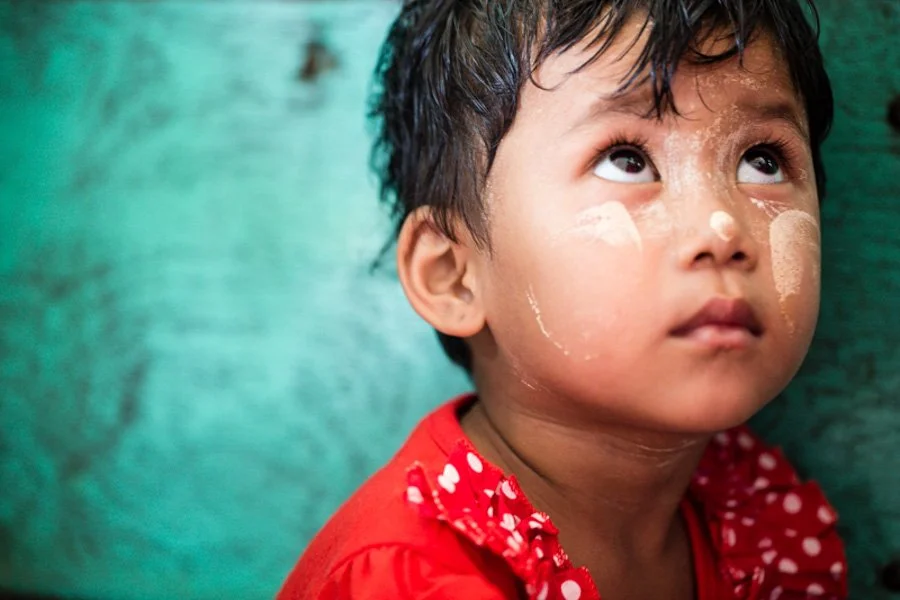
Interact With Your Subject and Wait for the Moment
When you're this close to a subject, it becomes harder to find elements that create direction and lead the viewer's eye. Portraits tend to be centred and symmetrical by nature, and at close range there's often little background or foreground left to work with.
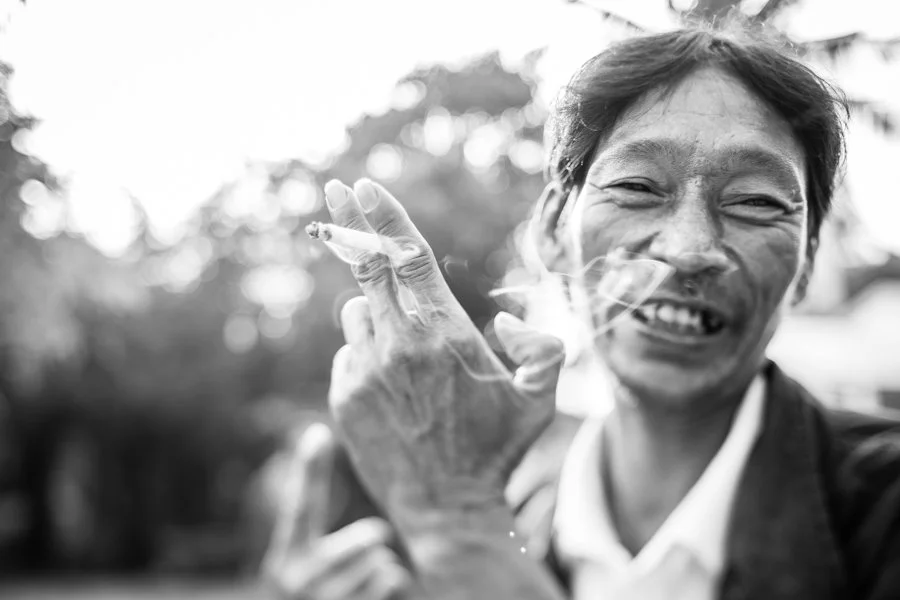
This is where body language comes in. Eyes looking to the side, hair falling across one corner of the frame, a tilted hat — all of these recreate dynamic, directional lines. Even tilting the camera slightly can turn a straight line into a diagonal and add real energy to the shot.
One thing to keep in mind: these small movements are often unpredictable and happen fast — sometimes within a tenth of a second. That means shooting close-up portraits usually calls for a lot of frames. It's not unusual for me to take 25 shots of nearly the same composition, waiting for the exact moment someone looks away or tilts their head — all while trying to keep the right element in focus (damn manual focus lenses). Do not shoot in burst mode, though, as you need to wait for the right moment (it’s just more satisfying like this!) and you don’t want to make your subject feel like they are surrounded by paparazzi!
Technical tip: with the technology available to us now, try framing through your monitor instead of the viewfinder. This lets you keep an eye on the elements around your subject while also interacting with them — looking at them, chatting with them — and you can let eye-detection autofocus do the technical work while you wait for the moment. I've also noticed that the instant a photographer raises the camera to their eye, subjects sense the photo is coming and tend to freeze — or worse, pose.
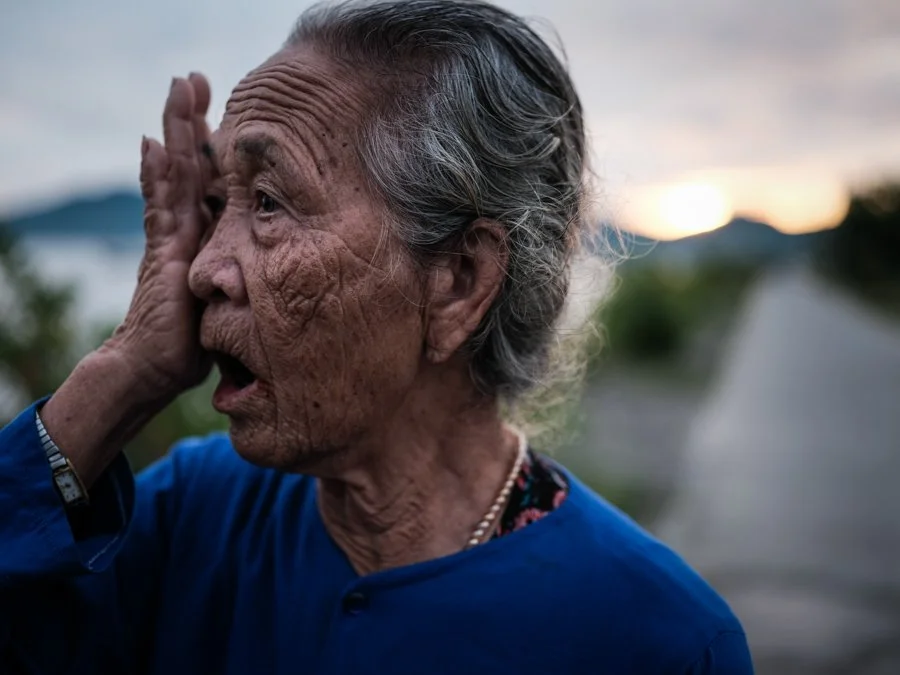
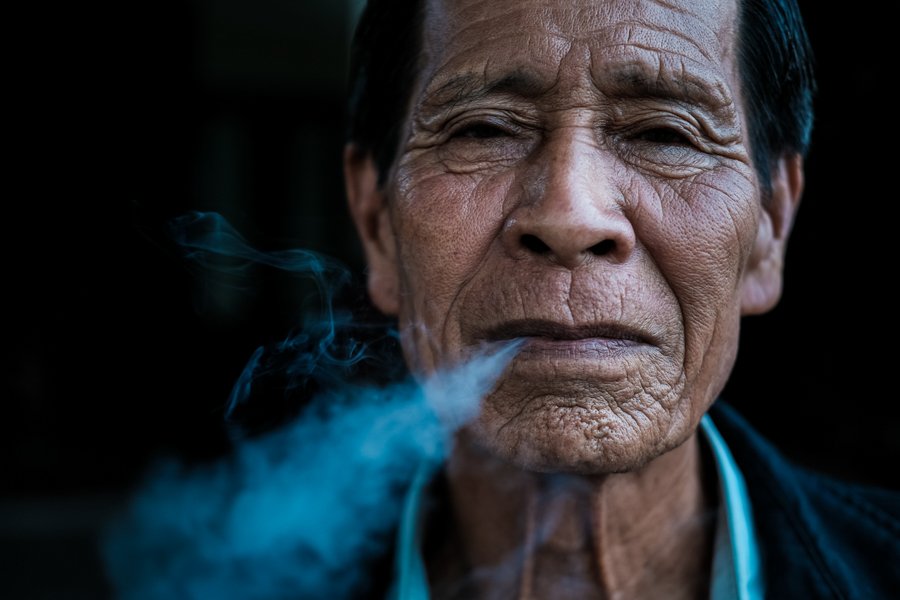
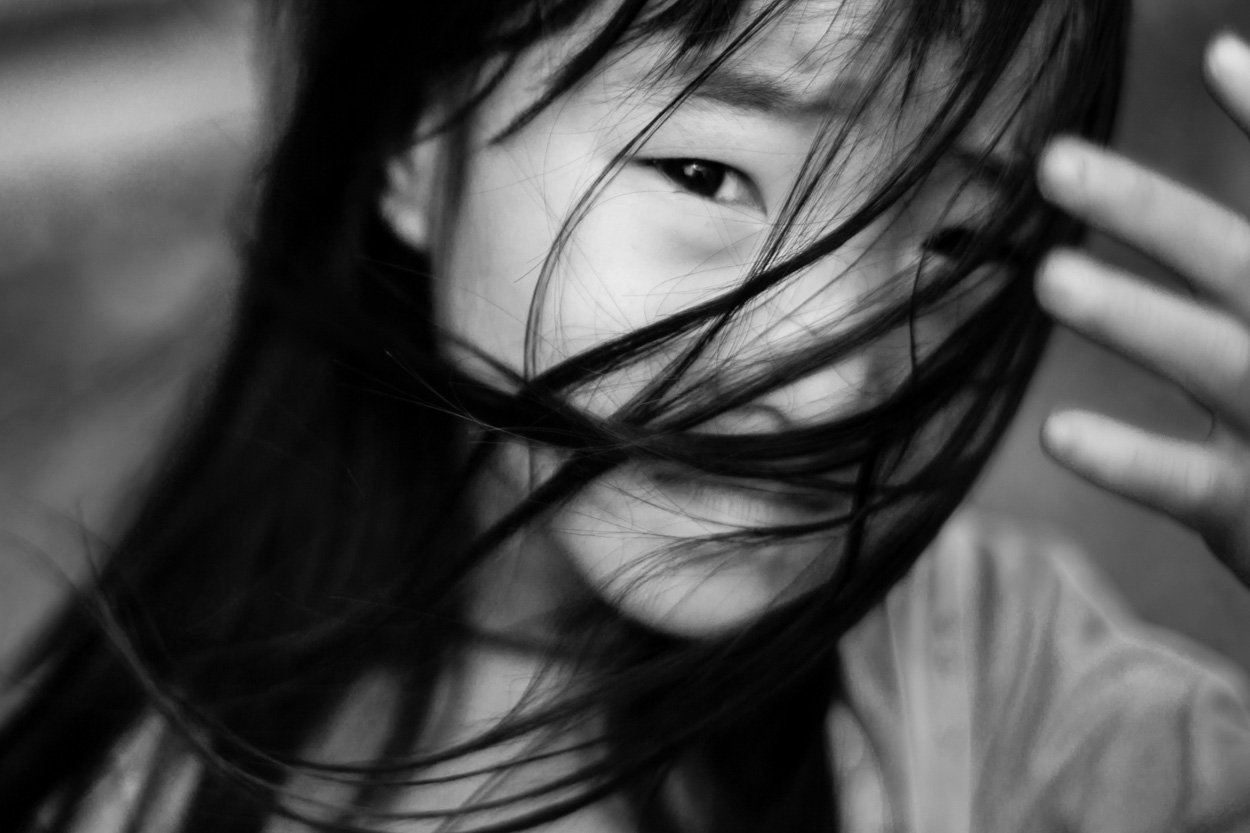
Create the Mood and Emotion for Your Portraits
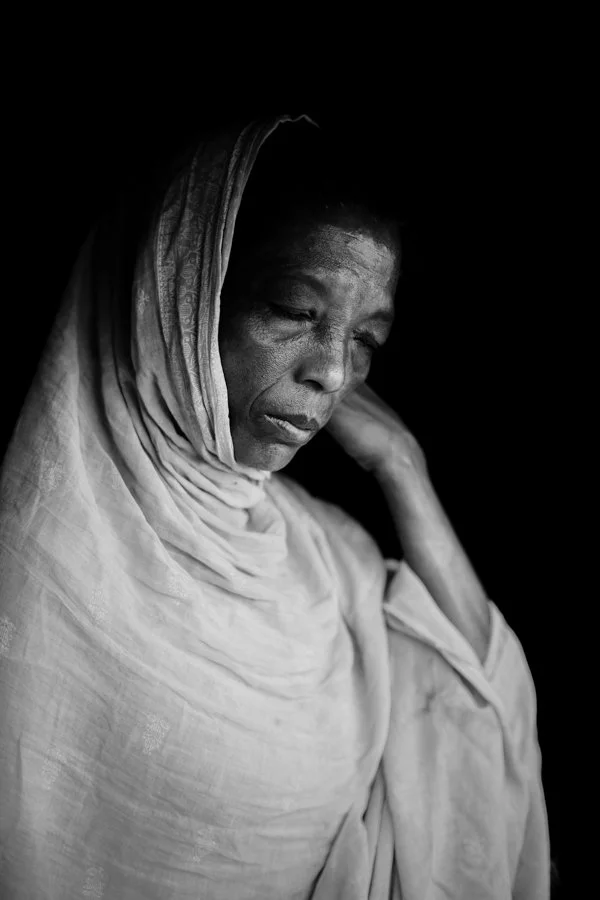
I like to say that I rely almost entirely on my subjects to give me a great image. What I mean is: as the photographer, I get my settings and framing ready, I've studied the scene, and I know what I want to include or leave out. From that point on, I'm relying on my subject to create the actual moment. This is where interaction really helps — them talking to me, or to someone nearby, can spark it. Sometimes it's as simple as the wind picking up or a look to the side. Everything on my end is ready, and I'm waiting for something beyond what I'd call "just another portrait" — a bit of body language, the angle of a head, a particular look in the eyes, something that gives the image real emotion.
Ready to Put This Into Practice?
I can't promise you'll come away from one of my tours with dramatic close-up portraits — it depends on your own approach and on the opportunities that come up along the way. Sometimes it happens, sometimes it doesn't. What I do know is that it shouldn't be forced on your subject, both for ethical reasons and because forcing it rarely makes for a great portrait anyway.
Southeast Asia remains one of the best places in the world to photograph people, and I'd love to share that with you. If you'd like to practise this approach together, take a look at my photography tours calendar and see if one fits.